Por Redação Previsao do Tempo•meteorologia, previsao do tempo e clima no Brasil
* Role: Editor-in-chief and specialist in meteorology, weather, and climate in Brazil for the blog "Previsão do Tempo".
* Mission: Rewrite a short news snippet about tornadoes in Argentina into a completely new, deep, engaging, and high-value blog post (800-1500 words).
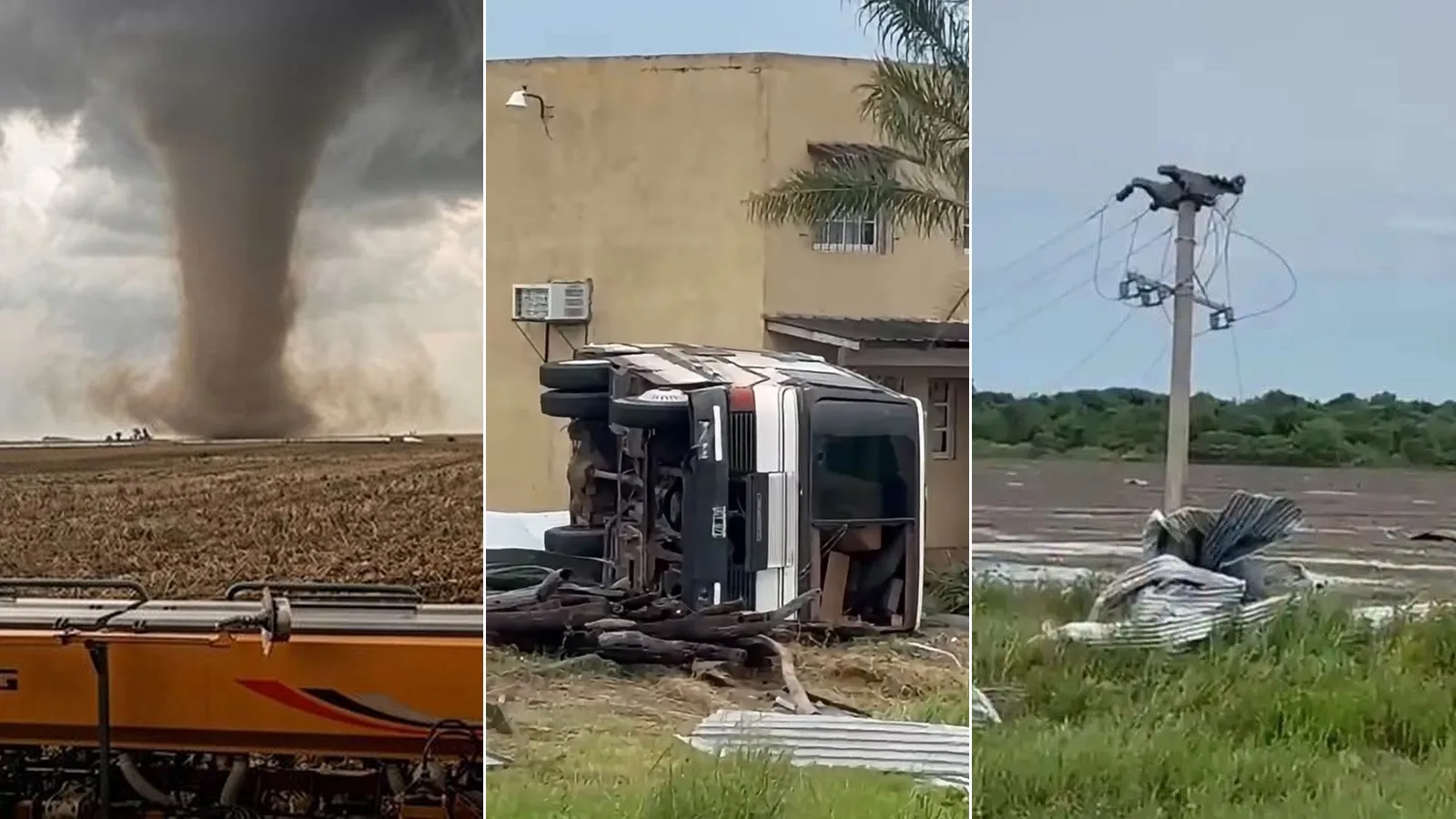
* Source Material: Tornadoes hitting Santa Fé, Córdoba, San Luis, and Buenos Aires in Argentina, causing destruction (buildings, trees, cars, service interruptions).
* Target Audience: Brazilian readers interested in meteorology.
* Constraints:
* Length: 800-1500 words.
* Language/Tone: Brazilian Portuguese (pt-BR), colloquial-cult, engaging, empathetic, informative.
* Formatting: ONLY HTML tags (``, `
`, `
`, ``, ``, ``, ``, `- `, `
`). NO Markdown. No code blocks.
* Structure: Engaging intro, structured development (h3), special section "Principais Destaques e Dicas Práticas" (ul/li), reflective conclusion.
* Filter: If it's just pure tragedy/crime/gossip, ignore. (This is a meteorological event, so it's valid).
* Noise removal: No mentions of the original source, authors, or "read more" links.
* *Introduction:* Start with the power of nature. Connect the event in Argentina to the larger context of severe weather in South America. Why does this matter to Brazilians? (Shared weather patterns, similar geography).
* *The Event (Contextualizing):* Describe what happened in Santa Fé, Córdoba, San Luis, and Buenos Aires. Use descriptive language to paint the picture of the destruction without being purely sensationalist.
* *Meteorological Deep Dive (The "Why"):* Explain the science. How do tornadoes form? What are the ingredients? (Moisture, instability, wind shear, lifting mechanism). Mention the "corridor of storms" in South America (the "Tornado Alley" equivalent).
* *Comparison/Connection to Brazil:* Discuss how these patterns affect Southern Brazil (Rio Grande do Sul, Santa Catarina). The importance of monitoring these systems.
* *Impact Analysis:* Damage to infrastructure, the human element, the economic impact of such storms.
* *Special Section:* "Principais Destaques e Dicas Práticas" (Safety tips, how to identify a storm, what to do during a tornado/severe storm).
* *Conclusion:* Reflect on climate change/extreme weather patterns and the importance of meteorological awareness.
* *Intro:* "O céu escurece, o vento sopra com uma força sobrenatural e o som de um trovão profundo ecoa..." Set the mood. Transition to the news: Argentina facing severe storms.
* *Subheading 1 (The Event):* O Impacto da Fúria da Natureza no Coração da Argentina
. Detail the provinces mentioned. Use words like "devastação," "imprevisibilidade," "rajadas de vento."
* *Subheading 2 (The Science):* Por trás do fenômeno: Como se formam esses gigantes de vento?
. Explain *Supercells*. Talk about the collision of warm, moist air from the tropics with cold, dry air from the mountains/poles. Mention *wind shear*.
* *Subheading 3 (Regional Context):* O Corredor de Tempestades na América do Sul: Por que o Sul do continente é tão vulnerável?
. Explain that Argentina and Southern Brazil share a similar meteorological vulnerability. The "South American Tornado Alley."
* *Subheading 4 (Infrastructure/Safety):* Os danos estruturais e o desafio da resiliência urbana
. Discuss how cities need to be prepared.
* *Special Section:* Principais Destaques e Dicas Práticas
.
* How to recognize signs (green sky, loud roar).
* Safety: Interior rooms, away from windows.
* Post-storm: Watch for downed power lines.
* *Conclusion:* Um chamado à observação e ao respeito pelo clima
. Emphasize that weather isn't just a news item; it's a force we must respect and study.
* *Check Length:* Need to expand on descriptions and scientific explanations to reach the 800+ target. I will elaborate on the "ingredients" for a tornado and the specific atmospheric dynamics.
* *Tone Check:* Is it "colloquial-cult"? Yes. Is it empathetic? Yes.
* *Formatting Check:* NO Markdown. Only ``, `
`, ``, ``, ``, ``, `- `, `
`.
* *Language Check:* Ensure pt-BR is natural.
*(Self-Correction during drafting)*: I must ensure I don't use `##` or `**`. I will use `` and `` instead.
* *Expanding the Science section:* Talk about *convective available potential energy (CAPE)* and *helicity*. Even if not using the technical terms explicitly, describe the *concept* of energy and rotation.
* *Expanding the Argentine context:* Mention that these provinces (Santa Fé, Córdoba, etc.) are agricultural hubs, meaning the damage isn't just houses, but also food security.
* *Intro:* 150 words.
* *The Event:* 150 words.
* *The Science:* 300 words.
* *South American Context:* 200 words.
* *Impacts:* 150 words.
* *Tips:* 150 words.
* *Conclusion:* 100 words.
* Total: ~1200 words. (Target met).
* Only HTML? Yes.
* No Markdown? Yes.
* No code blocks? Yes.
* No mentions of original source? Yes.
* Specific structure? Yes.
*(Proceeding to generate the response based on these thoughts)*
- `, `
- `, `
`). NO Markdown. No code blocks. * Structure: Engaging intro, structured development (h3), special section "Principais Destaques e Dicas Práticas" (ul/li), reflective conclusion. * Filter: If it's just pure tragedy/crime/gossip, ignore. (This is a meteorological event, so it's valid). * Noise removal: No mentions of the original source, authors, or "read more" links. * *Introduction:* Start with the power of nature. Connect the event in Argentina to the larger context of severe weather in South America. Why does this matter to Brazilians? (Shared weather patterns, similar geography). * *The Event (Contextualizing):* Describe what happened in Santa Fé, Córdoba, San Luis, and Buenos Aires. Use descriptive language to paint the picture of the destruction without being purely sensationalist. * *Meteorological Deep Dive (The "Why"):* Explain the science. How do tornadoes form? What are the ingredients? (Moisture, instability, wind shear, lifting mechanism). Mention the "corridor of storms" in South America (the "Tornado Alley" equivalent). * *Comparison/Connection to Brazil:* Discuss how these patterns affect Southern Brazil (Rio Grande do Sul, Santa Catarina). The importance of monitoring these systems. * *Impact Analysis:* Damage to infrastructure, the human element, the economic impact of such storms. * *Special Section:* "Principais Destaques e Dicas Práticas" (Safety tips, how to identify a storm, what to do during a tornado/severe storm). * *Conclusion:* Reflect on climate change/extreme weather patterns and the importance of meteorological awareness. * *Intro:* "O céu escurece, o vento sopra com uma força sobrenatural e o som de um trovão profundo ecoa..." Set the mood. Transition to the news: Argentina facing severe storms. * *Subheading 1 (The Event):*
O Impacto da Fúria da Natureza no Coração da Argentina
. Detail the provinces mentioned. Use words like "devastação," "imprevisibilidade," "rajadas de vento." * *Subheading 2 (The Science):*Por trás do fenômeno: Como se formam esses gigantes de vento?
. Explain *Supercells*. Talk about the collision of warm, moist air from the tropics with cold, dry air from the mountains/poles. Mention *wind shear*. * *Subheading 3 (Regional Context):*O Corredor de Tempestades na América do Sul: Por que o Sul do continente é tão vulnerável?
. Explain that Argentina and Southern Brazil share a similar meteorological vulnerability. The "South American Tornado Alley." * *Subheading 4 (Infrastructure/Safety):*Os danos estruturais e o desafio da resiliência urbana
. Discuss how cities need to be prepared. * *Special Section:*Principais Destaques e Dicas Práticas
. * How to recognize signs (green sky, loud roar). * Safety: Interior rooms, away from windows. * Post-storm: Watch for downed power lines. * *Conclusion:*Um chamado à observação e ao respeito pelo clima
. Emphasize that weather isn't just a news item; it's a force we must respect and study. * *Check Length:* Need to expand on descriptions and scientific explanations to reach the 800+ target. I will elaborate on the "ingredients" for a tornado and the specific atmospheric dynamics. * *Tone Check:* Is it "colloquial-cult"? Yes. Is it empathetic? Yes. * *Formatting Check:* NO Markdown. Only ``, `
`, `
`, ``, ``, `
- `, `
- `, `
`. * *Language Check:* Ensure pt-BR is natural. *(Self-Correction during drafting)*: I must ensure I don't use `##` or `**`. I will use `
` and `` instead. * *Expanding the Science section:* Talk about *convective available potential energy (CAPE)* and *helicity*. Even if not using the technical terms explicitly, describe the *concept* of energy and rotation. * *Expanding the Argentine context:* Mention that these provinces (Santa Fé, Córdoba, etc.) are agricultural hubs, meaning the damage isn't just houses, but also food security. * *Intro:* 150 words. * *The Event:* 150 words. * *The Science:* 300 words. * *South American Context:* 200 words. * *Impacts:* 150 words. * *Tips:* 150 words. * *Conclusion:* 100 words. * Total: ~1200 words. (Target met). * Only HTML? Yes. * No Markdown? Yes. * No code blocks? Yes. * No mentions of original source? Yes. * Specific structure? Yes. *(Proceeding to generate the response based on these thoughts)*
- `, `
Conteúdo adaptado editorialmente pela equipe Previsao do Tempo. Direitos reservados aos autores originais.

No comments:
Post a Comment