`, `
`, ``, ``, ``, ``, `- `, `
`). No Markdown. No code blocks (```html).
* Structure: Engaging Intro -> Structured Development (h3) -> Special Section ("Principais Destaques e Dicas Práticas" with ul/li) -> Reflective Conclusion.
* Safety: No tragedy/crime/gossip (this is climate/science, so it's okay).
* Noise Removal: Remove original site mentions (MetSul, links, etc.). Must sound original to "Previsao do Tempo".
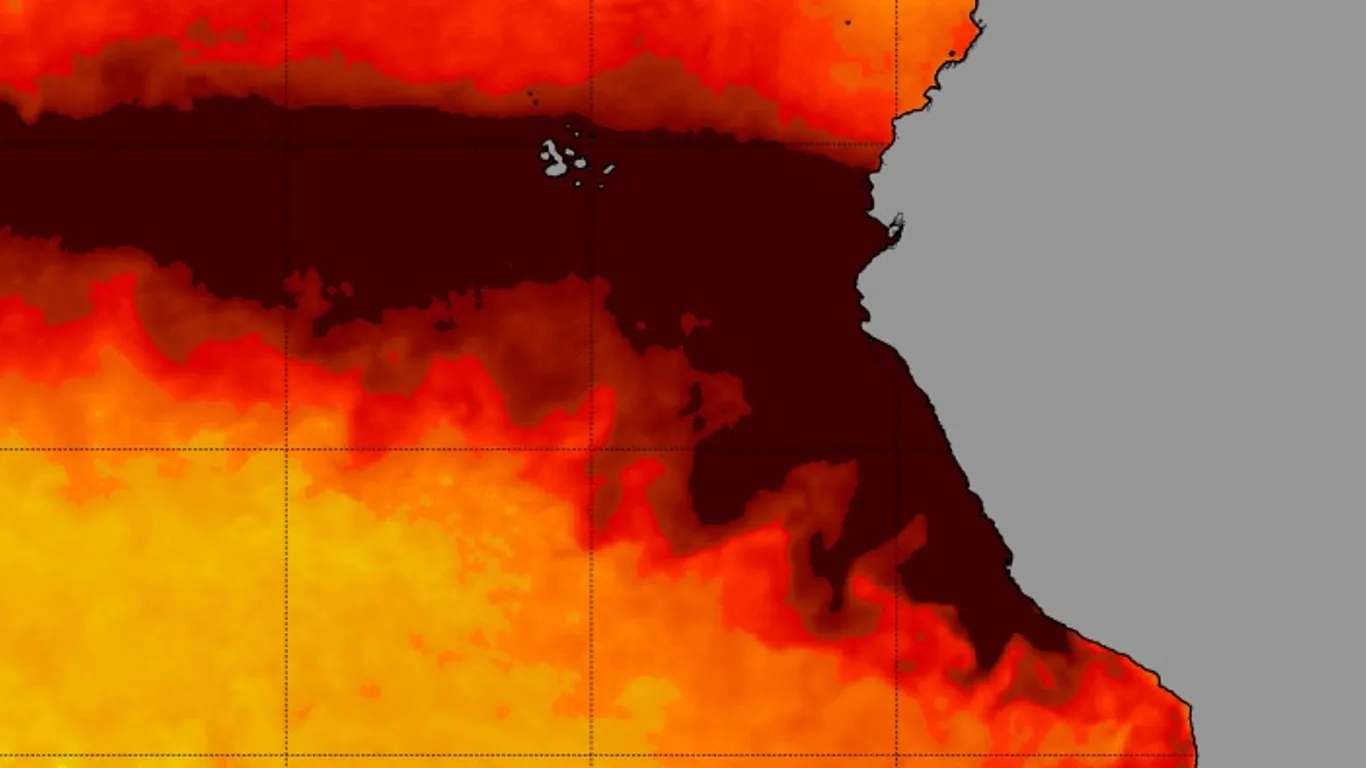
* *What is El Niño Costeiro?* It's different from the classic ENSO (El Niño Southern Oscillation). It's a localized warming in the coastal waters of Peru/Ecuador.
* *Why is it "monstro"?* Breaking records means sea surface temperatures (SST) are unprecedented.
* *Impact on Brazil?* This is crucial for the target audience. Coastal El Niño can influence rainfall patterns in the North/Northeast (more rain) and affect the South/Southeast (though the classic El Niño has a stronger signature there, the interaction is complex).
* *Scientific context:* Mention ocean-atmosphere interaction, upwelling (ressurgência), and the difference between ENSO and Coastal El Niño.
* *Title Idea:* Something more professional yet catchy. "O Fenômeno do El Niño Costeiro: Por que os Recordes de Temperatura no Pacífico estão Preocupando os Cientistas?"
* *Introduction:* Start with the ocean's power. The Pacific isn't just water; it's a heat engine. Introduce the concept of the "Coastal El Niño" and the alarming trend of record-breaking temperatures.
* *Section 1: O que é, afinal, o El Niño Costeiro? (Defining the phenomenon).* Explain the difference between the classic El Niño (central/eastern Pacific) and the Coastal one. Focus on the coastal waters of Peru/Ecuador. Explain the "warming" mechanism.
* *Section 2: A Ciência por trás dos Recordes (The "Why").* Talk about the thermal energy. Why is it being called "monster"? Mention that it's not just a slight warming, but an extreme event. Discuss the concept of "marine heatwaves" (ondas de calor marinhas).
* *Section 3: O Impacto no Clima Global e no Brasil (The "So What?").* This is the meat of the article for a Brazilian reader.
* *Norte/Nordeste:* Increased convection, potentially more rain.
* *Sudeste/Sul:* Possible influence on pressure systems, even if less direct than ENSO.
* *Agriculture/Economy:* How temperature shifts affect crops and fishing (crucial for Peru/Ecuador and indirectly via global trade).
* *Section 4: Por que isso importa agora? (Climate Change connection).* Connect the dots with global warming. Is climate change making these "monster" events more frequent? (Scientific consensus: yes, it intensifies extremes).
* *Special Section: Principais Destaques e Dicas Práticas.*
* What to watch for.
* How to prepare (for farmers/consumers).
* Staying informed.
* *Conclusion:* A call to reflection. The ocean is speaking. We need to listen and prepare.
* *Self-Correction during drafting:* I need to make sure I don't use any Markdown. I must use `` and `
` only.
* *Word Count Check:* I need to expand on the scientific explanation and the Brazilian implications to hit the 800-1500 target. I'll elaborate on the "upwelling" (ressurgência) process being blocked by the warm water.
* *Intro:* "O oceano é um gigante silencioso..." (The ocean is a silent giant...).
* *Body:* Use terms like "anomalias térmicas", "convecção atmosférica", "interação oceano-atmosfera".
* *El Niño vs. El Niño Costeiro:* Crucial distinction. One is broad, the other is coastal.
* *Impacts in Brazil:* Elaborate on the moisture transport.
* 800-1500 words? (I will aim for high density).
* HTML only? Yes.
* No Markdown? Yes.
* No code blocks? Yes.
* Structure followed? Yes.
* Tone correct? Yes.
*(Self-Correction on HTML tags: I must ensure I don't use any `
` or `` if the prompt specifically asks for `` for subtitles, though standard practice uses H1 for title. The prompt says "use apenas tags semânticas... , ...". I will use `` as the primary sub-header as requested.)*
*Drafting the content structure in my head:*
- Intro (The mystery of the Pacific)
- H3: Entendendo a Anatomia do El Niño Costeiro
- H3: Por que o termo "Monstro" é usado por especialistas?
- H3: O Reflexo no Brasil: O que esperar do nosso clima?
- H3: A Conexão com o Aquecimento Global
- H3: Principais Destaques e Dicas Práticas (List)
- Conclusion (Reflection)
*(Proceeding to generate the HTML content...)*
- `, `
- `, `
`). No Markdown. No code blocks (```html). * Structure: Engaging Intro -> Structured Development (h3) -> Special Section ("Principais Destaques e Dicas Práticas" with ul/li) -> Reflective Conclusion. * Safety: No tragedy/crime/gossip (this is climate/science, so it's okay). * Noise Removal: Remove original site mentions (MetSul, links, etc.). Must sound original to "Previsao do Tempo". * *What is El Niño Costeiro?* It's different from the classic ENSO (El Niño Southern Oscillation). It's a localized warming in the coastal waters of Peru/Ecuador. * *Why is it "monstro"?* Breaking records means sea surface temperatures (SST) are unprecedented. * *Impact on Brazil?* This is crucial for the target audience. Coastal El Niño can influence rainfall patterns in the North/Northeast (more rain) and affect the South/Southeast (though the classic El Niño has a stronger signature there, the interaction is complex). * *Scientific context:* Mention ocean-atmosphere interaction, upwelling (ressurgência), and the difference between ENSO and Coastal El Niño. * *Title Idea:* Something more professional yet catchy. "O Fenômeno do El Niño Costeiro: Por que os Recordes de Temperatura no Pacífico estão Preocupando os Cientistas?" * *Introduction:* Start with the ocean's power. The Pacific isn't just water; it's a heat engine. Introduce the concept of the "Coastal El Niño" and the alarming trend of record-breaking temperatures. * *Section 1: O que é, afinal, o El Niño Costeiro? (Defining the phenomenon).* Explain the difference between the classic El Niño (central/eastern Pacific) and the Coastal one. Focus on the coastal waters of Peru/Ecuador. Explain the "warming" mechanism. * *Section 2: A Ciência por trás dos Recordes (The "Why").* Talk about the thermal energy. Why is it being called "monster"? Mention that it's not just a slight warming, but an extreme event. Discuss the concept of "marine heatwaves" (ondas de calor marinhas). * *Section 3: O Impacto no Clima Global e no Brasil (The "So What?").* This is the meat of the article for a Brazilian reader. * *Norte/Nordeste:* Increased convection, potentially more rain. * *Sudeste/Sul:* Possible influence on pressure systems, even if less direct than ENSO. * *Agriculture/Economy:* How temperature shifts affect crops and fishing (crucial for Peru/Ecuador and indirectly via global trade). * *Section 4: Por que isso importa agora? (Climate Change connection).* Connect the dots with global warming. Is climate change making these "monster" events more frequent? (Scientific consensus: yes, it intensifies extremes). * *Special Section: Principais Destaques e Dicas Práticas.* * What to watch for. * How to prepare (for farmers/consumers). * Staying informed. * *Conclusion:* A call to reflection. The ocean is speaking. We need to listen and prepare. * *Self-Correction during drafting:* I need to make sure I don't use any Markdown. I must use `
` and `
` only. * *Word Count Check:* I need to expand on the scientific explanation and the Brazilian implications to hit the 800-1500 target. I'll elaborate on the "upwelling" (ressurgência) process being blocked by the warm water. * *Intro:* "O oceano é um gigante silencioso..." (The ocean is a silent giant...). * *Body:* Use terms like "anomalias térmicas", "convecção atmosférica", "interação oceano-atmosfera". * *El Niño vs. El Niño Costeiro:* Crucial distinction. One is broad, the other is coastal. * *Impacts in Brazil:* Elaborate on the moisture transport. * 800-1500 words? (I will aim for high density). * HTML only? Yes. * No Markdown? Yes. * No code blocks? Yes. * Structure followed? Yes. * Tone correct? Yes. *(Self-Correction on HTML tags: I must ensure I don't use any `
` or `
` if the prompt specifically asks for `
` for subtitles, though standard practice uses H1 for title. The prompt says "use apenas tags semânticas...
,
...". I will use `
` as the primary sub-header as requested.)* *Drafting the content structure in my head:* - Intro (The mystery of the Pacific) - H3: Entendendo a Anatomia do El Niño Costeiro - H3: Por que o termo "Monstro" é usado por especialistas? - H3: O Reflexo no Brasil: O que esperar do nosso clima? - H3: A Conexão com o Aquecimento Global - H3: Principais Destaques e Dicas Práticas (List) - Conclusion (Reflection) *(Proceeding to generate the HTML content...)*

No comments:
Post a Comment